The Simplified Stylist · April Nicole
Technique Course
She Has Fine, Short Hair and She
Wants an Elegant Updo.
You're Going to Nail It.
The Sculpted Bun is April Nicole's signature method for creating a beautifully structured, volumized bun on thin, short, and fine hair — the client type most stylists quietly dread. Under 10 minutes. A polished result that holds through the entire event.
★★★★★ · 4K Walkthrough · Instant Access · 14-Day Money-Back Guarantee
THE PROBLEM
Fine hair, short hair, thinning hair. You know the feeling.
The client sits down. You assess the hair. And somewhere in the back of your mind, the math isn't adding up. She wants a full, structured updo. And you have to make it work — in front of her, on the most important day of her life.
You can't get enough bulk in the bun — it looks flat and small no matter how much product you use
Bobby pins are sliding because there's not enough hair to anchor them to
The style looks finished when she's sitting down and falls apart the moment she stands up
You're spending twice as long as you should because you're compensating, adjusting, and re-pinning
The mother of the bride books a trial, you're not confident in the result, and she can feel it
This is not a product problem. The technique is the answer. The product just supports it.
The Cost
The mother of the bride is one of the highest-value clients you will ever turn away.
She is almost always a high-income client who is willing to pay for quality. She will be photographed extensively alongside the bride. She needs to feel and look her best. And she has fine hair that is getting thinner.
That is not a problem for the right stylist. That is a premium opportunity. The artists who know how to handle fine and thinning hair on formal clients — confidently, efficiently, beautifully — charge for it. They get referrals from it. MOB becomes a specialization, not a challenge.
Right now you're leaving that revenue on the table. The stylist who takes your referral is not more talented than you. They just have a method.
The Course
The Sculpted Bun
April Nicole's signature updo technique for fine, short, and thinning hair — filmed in 4K on a real mother of the bride client, broken down into a repeatable system you can execute on any client in under 10 minutes.
The model in this course is April's own mother — a real MOB client with thin, fine, short hair. This technique was built and refined on her. What you are learning is not a demonstration — it is the actual method April uses on her clients.
What's Inside
Here's exactly what you'll learn
Phase 1
Prep — Volume Without Teasing
Builds volume into the hair before you touch a single pin, so you're not fighting for lift later
Why April barely needs hard hold hairspray by the time she's done — the structure is already there
Phase 2
Sectioning — Structure Before Styling
A simple zone system that removes the "where do I even start" guesswork on fine hair
Tells you exactly what to build first, so every section that follows has something solid to anchor to
Phase 3
The Crisscross Bun Base
The technique that separates a bun that holds from one that falls. Most stylists build from a single ponytail. April builds from two — the difference in stability and volume is immediate.
Fixes the #1 complaint about fine hair: buns that look flat and small no matter how much product goes in
The single biggest reason April's buns hold shape all day, while others go limp by the reception
Phase 4
Layering the Sections In
Keeps every added section reading as one cohesive, balanced shape — not patched on
The bun looks intentional at every stage of the build, not messy or over-worked
Phase 5
Crown Volume — The Middle Section
One move April makes after pinning that releases real volume right where clients notice it most
Works even on the flattest, most stubborn crown hair in the chair
Phase 6
Front Pieces & Finishing
The difference between a technically correct bun and one that reads as elegant and photo-ready
How April handles every remaining piece so nothing is left floating or unresolved
The Transformation
What changes when you have this method
Before This Course
MOB and formal clients with fine hair feel like a liability
Over-pinning because the bun won't hold — result looks stiff and heavy
Too long on this client type, not confident at the end of it
Style falls within the first hour because the foundation was wrong
Not putting fine-hair updos in your portfolio
After This Course
Fine and thinning hair is a client type you seek out
The crisscross base holds — you're finishing, not re-pinning
Appointment time drops because you're running a sequence
Style holds all day because the foundation was built correctly
This goes in your portfolio — and brides start sending you their mothers
Who It's For
This is for you if…
You are a bridal or formal hairstylist who wants a reliable updo technique for fine, short, and thinning hair
You do MOB bookings or want to start — and need a signature style you can present with confidence
You want to stop spending too long on thin-haired clients and start delivering consistent results efficiently
You are building your portfolio and want a formal updo that photographs well and holds
You want to understand the structural logic behind a great updo, not just watch someone make one
This is not for you if…
You are looking for a tutorial on full, thick hair — this is designed specifically for fine, short, and thinning hair
You are not willing to invest in prep — the bun hold depends entirely on the foundation you build first
You already have a confident, repeatable updo system that produces consistent results on thin hair
What Stylists Are Saying
Real results from real artists
My first MOB client with thin, short hair — I used April's sectioning method and the crisscross base and I could not believe how full and structured the bun looked. She cried when she saw herself. That's never happened to me before.
I had always avoided the mother of the bride booking if she mentioned fine or thinning hair. Since learning this technique, I seek those clients out. The style holds, the client is thrilled, and I've gotten three referrals from one MOB client.
The tug-after-pin tip for crown volume is something I now do on every updo client, thin hair or not. It takes two seconds and it completely changes the silhouette.

Your Instructor
Who is teaching this
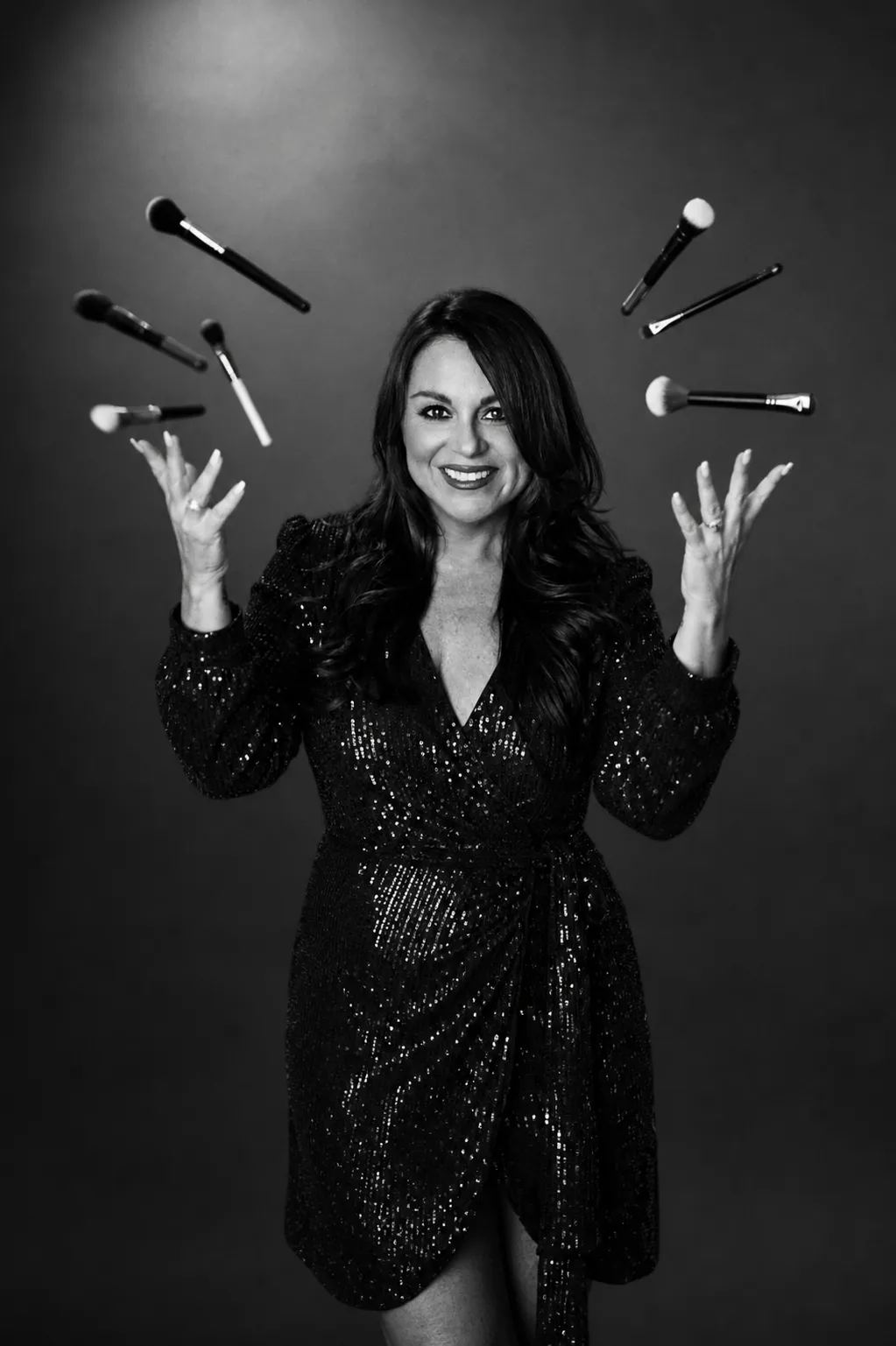
April Nicole has 20+ years of experience in the bridal and cosmetic industry. She launched FBA Cosmetics in 2005 and has worked with hundreds of bridal clients — brides, bridesmaids, and mothers of the bride — across Florida.
She rebuilt her business from scratch after a five-year break, re-entered a changed industry, and hit six figures within three years by going back to fundamentals and building repeatable systems.
Every technique in this course is what she actually does. Not what she designed for a course — what she has refined over two decades of real client work in real conditions.
Questions
Frequently asked
Does this work on very short hair?
Yes. The course was filmed on a client with thin, short, fine hair — the hardest version of this client type. The sectioning strategy and bun base technique are designed specifically for limited length.
My clients mostly have medium or thick hair. Is this still relevant?
Yes. The structural principles apply to any updo. Fine hair is the hardest scenario — if you master this, medium and thick hair will feel easy by comparison.
How long is the course?
Approximately 6 minutes of step-by-step instruction filmed in 4K. Everything you see is technique — no filler.
What if the client wants a softer, less structured bun?
Yes. The base and structure remain the same. The finish can be adjusted — looser pieces, softer face-framing curls — to create a relaxed, romantic variation of the same foundation.
Risk-Free
The 14-day guarantee
Go through the course. Use the technique on a client.
If you are not satisfied, reach out within 14 days for a full refund. No hoops. You should never have to take a financial risk to invest in your craft.